Hedge Trimming in Hayes
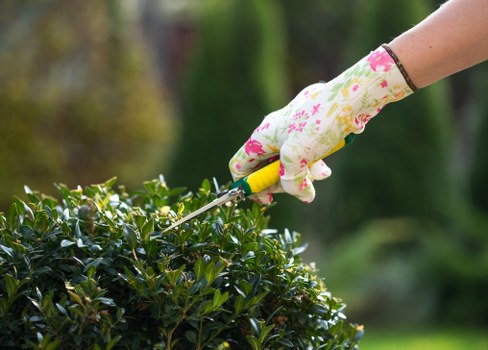
Hedge Trimming Hayes is a focused service for keeping boundary hedges, feature hedges and planted screens neat, balanced and managed through the year. We trim with the shape, vigour and purpose of each hedge in mind, whether it is meant to screen a garden, mark a line between properties or create a tidy frame around paths and entrances. The aim is practical as well as visual: healthy growth, clear lines and a finish that suits the planting.
Good hedge work begins with understanding what the hedge is meant to do. Formal hedges usually need crisp, even faces and a controlled top line, while informal or mixed hedges can benefit from a gentler cut that keeps their character. We can also work around access, overhanging growth and awkward sections so the trimming stays consistent from end to end. If you want a neat finish without overcutting, this is the place to start.
For many customers the most useful result is simple: a hedge that looks deliberate rather than left to stretch. Our service is suitable for regular maintenance trims and for hedges that have gone beyond their usual outline and need bringing back into order. You can use the pages below to explore related services and then request a quotation when you are ready.
Routine Hedge Maintenance

Routine hedge maintenance is the heart of the service, because most hedges stay healthier and easier to manage when they are cut before growth becomes coarse or uneven. Regular trimming helps preserve a compact outer layer, improves the presentation of boundaries and prevents one section from racing ahead of the rest. It also makes later maintenance less demanding, since the hedge is not being asked to recover from a heavy correction every time.
Different hedge types respond in different ways, so the work is never just about cutting the outer edge. We consider the density of the foliage, the desired height and how far the hedge is meant to spread. Some hedges look best with a slightly tapered profile so light can reach the lower growth, while others need a more upright form. The point is to keep the hedge manageable and visually steady rather than forcing a shape that does not suit it.
For broader garden upkeep, garden maintenance can be a useful companion service when the hedge sits alongside borders, lawns and other planted areas. If you are also improving the wider layout, landscape gardening may be relevant where the hedge is part of a larger planting scheme or garden refresh. These pages help explain the wider context, while the trimming itself remains focused on the hedge structure and finish.
Shaping Formal and Decorative Hedges
Formal hedges benefit from a careful approach because symmetry, straightness and edge definition matter as much as the cut itself. Crisp lines can be used to make a garden feel ordered, to guide movement along paths or to emphasise a designed layout. Decorative hedges may also need corners, curves or stepped edges handled with attention so the final shape reads clearly rather than appearing accidentally trimmed. This is where measured, even work makes a visible difference.
In many gardens the most demanding part is not the top of the hedge but the continuity of the sides. A hedge can look uneven even when the top line seems acceptable, especially if the base flares or if one end has pushed out more strongly than the other. We trim to restore proportion and keep the hedge looking intentional from several angles. Where the hedge is part of a front garden or visible entrance, the finish tends to carry much of the overall impression.
When a hedge sits near paving, decking or a seating area, neat edges help those spaces feel finished rather than enclosed. If your outdoor layout includes timber areas as well, decking services may be useful to compare alongside hedge work. For larger changes to borders, screens and planting structure, landscaping can support a more comprehensive plan. The key is choosing the level of work that suits the garden, not simply cutting for the sake of it.
Overgrown Hedges and Controlled Reduction
Hedges that have been left for longer than usual often need more than a light tidy. Overgrowth can obscure paths, reduce light, press into adjoining spaces and create a jagged outline that is hard to restore with one pass alone. In these cases, the job is to reduce the hedge carefully so the result is controlled rather than abrupt. That can mean removing length in stages, preserving enough healthy growth for the hedge to recover well.
A sensible reduction takes account of the hedge’s species, age, thickness and recent growth pattern. Some hedges respond well to a more decisive cut; others are better treated gradually so the work does not expose bare inner sections more than necessary. We focus on maintaining a realistic profile that can be followed in future trims. If your hedge has become difficult to manage, the aim is to return it to a usable outline, not to force an extreme reset.
For hedges that are part of a larger clearance or regeneration project, garden clearance may sit alongside trimming when there is also unwanted growth, debris or old garden material to deal with. In gardens where taller woody growth is involved, tree lopping and removal is a separate subject, but it can be relevant if branches are affecting hedge lines or garden light. The right combination depends on what actually needs attention.
Access, Boundaries and Neat Finishing

Hedge trimming often becomes more valuable when the boundary line is awkward, shared or close to a walkway. In these situations the finish needs to be tidy on all visible sides, not just from the garden interior. Careful trimming around gates, corners and narrow strips helps the hedge sit neatly against the rest of the space. The result is a boundary that looks maintained rather than merely cut back in haste.
Where a hedge runs beside a driveway, path or seating area, consistency matters because even small variations are obvious in repeated sightlines. We pay attention to the way the hedge meets the ground, whether the base needs lifting visually and whether the top should be levelled or gently sloped. Those choices affect how the hedge reads in the garden, and they are best made with the hedge’s purpose in mind. Form follows function in this kind of work.
Some customers like to plan hedge work alongside other practical outdoor tasks, especially where the boundary hedge frames a lawn or planting bed. In that case, lawn mowing can help complete the look of a trimmed garden, while services overview provides a broader summary of the work available on the site. If you are comparing options, it is often simplest to think first about the hedge’s role and then choose the related service that fits.
How We Prepare a Quotation
To prepare a quotation for hedge trimming, the most useful information is usually the hedge type, approximate length or number of hedges, the general height and whether the work is a routine trim or a reduction. It also helps to know if access is straightforward or if there are narrow passages, rear-garden entry points or shared boundaries to take into account. Clear information supports a more accurate quote because hedge work varies a great deal from one property to another.
If you are sending details, a brief description of the hedge and its current condition is usually enough to begin. Photographs can also help where the hedge is especially tall, wide or uneven, because they show the outline and the surrounding space. The point is not to make the process complicated; it is simply to understand what the hedge needs so the work can be planned sensibly. Once those basics are clear, the next step is straightforward.
For pricing information and the factors that may shape a quotation, pricing and quotes gives a useful point of reference. If you would like to understand how enquiries are handled or what happens after you make contact, contact us is the right place to start. Please get in touch to discuss your hedge trimming in Hayes and request a quotation.
Cutting Back to a Manageable Shape

Some hedges need cutting back because they have lost their shape, started to encroach on a route or become too broad for the garden’s proportions. In these cases, the work is about restoring manageability and visual order at the same time. A hedge that has drifted outward can often be brought back into line, but the method must be chosen with care so the finished shape still looks natural to the planting. That is especially important when the hedge is part of a long run and every section needs to match.
Reducing a hedge to a workable form may also expose where previous trimming has been uneven. Rather than hiding that, the better approach is to correct the line gradually and create a stable outline for future maintenance. Some customers prefer a slightly softer, more organic edge; others want a firmer profile that is easier to keep straight. Both approaches can work well, provided the cut suits the hedge’s growth habit and the garden’s style. Use the hedge itself as the guide.
Where hedge work is only one part of a wider outdoor project, landscape gardening and landscaping can help frame the work within a broader design or tidy-up plan. If the hedge is paired with other tasks that improve the garden as a whole, those pages offer the most relevant next steps. For a more general introduction to what is offered, about us can be useful context.
About Hayes
Hayes is a town in west London, within the London Borough of Hillingdon, and it sits close to the historic line of the Grand Union Canal and the later development around the railway. The area has long been shaped by movement and industry, with the railway station becoming a significant point in its nineteenth-century growth and the town later expanding through housing, manufacturing and transport links. Even today, Hayes combines older streets and industrial heritage with newer development and busy roads that connect it to neighbouring parts of west London and beyond. Its built environment reflects those layers rather than a single period, which gives the town a mixed character. In the centre, the old parish church of St Mary’s provides a reminder of earlier settlement, while the canal corridor and open spaces such as Barra Hall Park and Lake Farm Country Park add greener contrasts to the urban grain. The town also has strong cultural associations through its music and community history, and the continued regeneration of sites around the station and former industrial land has changed parts of the local landscape in recent decades. Hayes is therefore best understood as a place where transport, manufacturing, housing and public green space have all played a part in its development.
Trimming for Shape, Safety and Light
Hedge trimming is often judged only by the visible outline, but the benefits are broader than appearance alone. A controlled cut can help prevent the hedge from becoming too heavy at the top, reduce the sense of crowding around paths and improve light reaching nearby planting. In practical terms, that can make the garden feel more comfortable to use and easier to keep in order. The challenge is to make those improvements without stripping away the hedge’s character.
We also consider how the hedge will look after the cut, not just on the day of the work. A hedge that is trimmed too hard in the wrong places may look sharp for a moment but uneven later on as it grows back. That is why a measured finish is usually preferable. It leaves a manageable outline and helps future maintenance stay predictable. For many customers, that balance between tidiness and restraint is the most useful outcome.
If you are comparing maintenance options for the rest of the garden, garden maintenance remains a sensible place to review related work, while recycling and sustainability may be relevant where green waste handling matters to your planning. The overall aim is to keep the garden functioning well and the hedge easy to live with, rather than treating each task in isolation.
Choosing the Right Level of Hedge Work
Not every hedge needs the same kind of attention, and choosing the right level of work is usually the difference between a finish that settles well and one that creates extra maintenance later. A light trim keeps growth in check and suits hedges that are already near the desired line. A fuller reduction is better when the hedge has overrun its space or lost shape significantly. Some hedges also need selective handling at the ends so the outline remains even across the full length.
When deciding how much work is sensible, it helps to think about the hedge’s function, the amount of screening you want to retain and the shape that best suits the garden. A privacy hedge may need to stay dense at the base and steady at eye level, while a decorative hedge may be judged more by symmetry and contour. Either way, the finish should look deliberate. A good trim respects the hedge’s job rather than forcing a generic result.
For a broader look at how hedge work sits within the rest of the property, services overview brings the main options together. If you are ready to move from planning to action, please request a quotation and we will help you work out the right approach for hedge trimming in Hayes.