Hedge Trimming Hayes — Recycling and Sustainability
Welcome to our sustainability statement for Hedge Trimming Hayes and Hayes hedge trimming services. We describe how our teams manage an eco-friendly waste disposal area and a practical, sustainable rubbish gardening area for local properties. This page explains our recycling targets, how we coordinate with borough waste systems, and the steps we take to keep green waste circulating in the local circular economy.Sustainable Rubbish Gardening Area and Our Targets
Our Hayes hedge trimming teams operate a clearly designated sustainable rubbish gardening area on-site and at partner facilities. Our recycling percentage target is to divert 70% of green and hedge waste from landfill by 2028 through segregation, chipping, composting and reuse. We work alongside the borough's waste separation approach — the usual three-bin method (organics, mixed recycling and residual) plus a separate garden waste collection — to make sure materials are handled properly. We align with local borough policies on waste separation and collection. Where the council provides a brown or green garden bin service we complement that by presorting larger hedge cuttings and woody pruning into piles for chipping and composting. Our on-site separation reduces contamination and improves the quality of material delivered to local transfer stations and municipal recycling centres.
We coordinate collections and drop-offs with nearby transfer points such as the Hillingdon Household Waste Recycling Centre and neighbouring transfer facilities to ensure that nothing recoverable is lost to landfill. When appropriate we arrange deliveries to West London recycling transfer hubs and verified composting sites so that chipped material becomes soil improver, mulch or biomass input rather than waste.
Partnerships with Charities and Local Reuse Groups
Our Hayes hedge trimming operation maintains active partnerships with charities and community organisations. We donate reusable timber offcuts, planters and higher-quality shrubs to charities and community gardens. Partners include national and local reuse organisations and social enterprises that accept reclaimed materials for resale or community projects. Through these partnerships we create social benefit as well as environmental return. Practical recycling activities we support include:
- Chipping and mulching of branch material to be reused on-site or at community allotments.
- Composting of fine green garden waste, coordinated with local municipal composting systems.
- Reuse and donation of intact soil, planters and reusable landscaping materials to charities.
Our commitment to sustainable rubbish gardening areas extends to how we collect and transport waste. We operate a low-carbon fleet of vans — including electric vans and efficient hybrid models — to move material to transfer stations and partners. Route planning, consolidation of collections and on-board waste segregation reduce fuel use and cut emissions. Hedge trimmers Hayes and our landscaping crews use telematics and scheduling tools to lower mileage and idle time.
We maintain robust records of diverted tonnage and calculate estimated carbon savings from using low-emission vehicles and local transfer stations. By using nearest-possible processing sites and combining small loads we avoid multiple long journeys that increase emissions. This operational focus supports measurable reductions in our carbon footprint compared to conventional approaches.
On-site best practices include segregating green waste into woody and leafy streams, setting up dedicated chipping zones, and training crews in contamination avoidance. These steps ensure that when we deliver to a transfer station the material is accepted for recycling rather than rejected as contaminated residual waste.
We also invest in staff training and site permits so that our sustainable rubbish gardening area always meets regulatory and environmental standards. Crew members are trained in the borough's waste separation rules, safe handling of materials, and the correct identification of recyclable items. Regular audits of our waste streams help us refine processes and increase recycling rates.
Community engagement is central to our sustainability approach. We coordinate local green waste days with neighbourhood groups and encourage residents to separate hedge trimmings at source. In collaboration with charities, reclaimed materials from Hayes hedge trimming projects are used to support community compost hubs, school gardens and urban greening initiatives.
 Reporting, targets and transparency are part of our promise: we track monthly tonnage diverted, publish percentage progress toward the 70% green waste recycling target, and liaise with local transfer stations to confirm final end-use. Where possible we give preference to municipal and licensed processors to close the loop locally, minimising transport emissions and maximising community benefit.
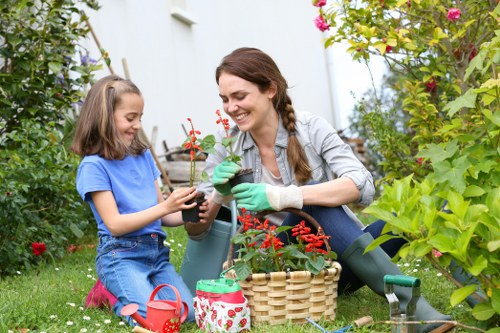 What this means for your garden and our local area — choosing Hedge Trimming Hayes or Hayes hedge trimming professionals that prioritise an eco-friendly waste disposal area and sustainable rubbish gardening area means reduced landfill, more local compost and mulch, and support for social reuse programmes. Our approach turns garden waste into a local resource rather than a disposal cost.
We welcome collaboration with local community groups, municipal transfer stations and charities to expand reuse networks. By combining low-carbon vans, strict on-site segregation and active partnerships, we create a measurable, positive environmental impact across Hayes and the surrounding boroughs.
For residents and property managers looking for sustainable hedge care, our model demonstrates how hedge trimming services can deliver high-quality landscape maintenance while meeting recycling targets and supporting local circular economy initiatives. The result: greener gardens, cleaner streets, and a stronger local environment.