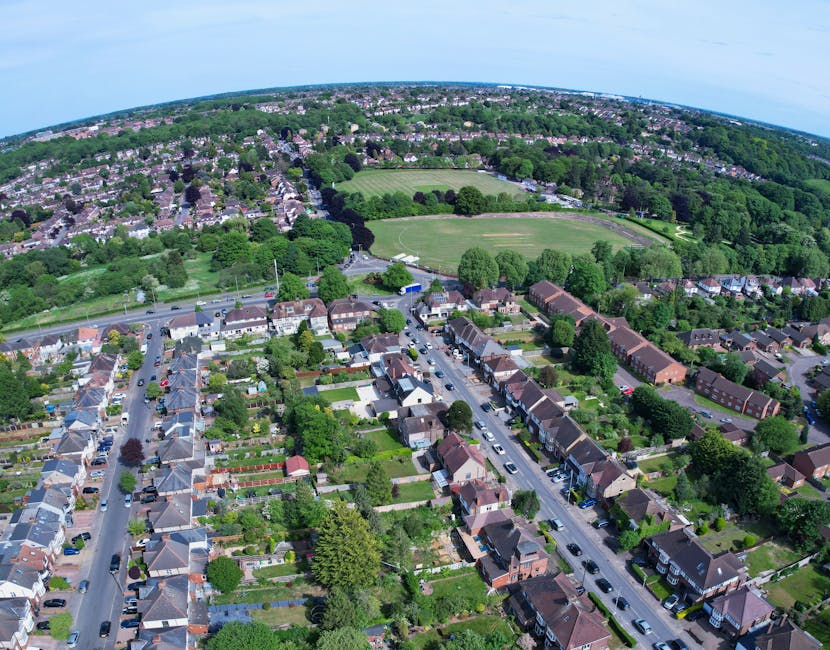
Gardeners near Hayes and Harlington station serving UB3 homes
If you live in UB3 and your garden is starting to feel a bit out of hand, you are not alone. Small patios, front gardens that need regular tidying, shared access, awkward side returns, and the usual London mix of shade, wind, and patchy soil can make outdoor spaces harder to manage than they look. That is exactly why finding Gardeners near Hayes and Harlington station serving UB3 homes can make such a difference. The right local gardener understands the pace of the area, the sort of properties common around Hayes and Harlington, and the practical jobs that keep a garden looking cared for without turning it into a full-time project.
This guide walks through what local gardening support actually involves, how it works, who it suits, and how to choose the right help for your home. We will also look at common mistakes, useful tools, compliance points, and a few grounded examples from real-world garden upkeep. No fluff. Just the kind of advice that helps you decide what to do next, and whether you need a one-off tidy-up or a regular maintenance plan.
Table of Contents
- Why Gardeners near Hayes and Harlington station serving UB3 homes Matters
- How Gardeners near Hayes and Harlington station serving UB3 homes Works
- Key Benefits and Practical Advantages
- Who This Is For and When It Makes Sense
- Step-by-Step Guidance
- Expert Tips for Better Results
- Common Mistakes to Avoid
- Tools, Resources and Recommendations
- Law, Compliance, Standards, or Best Practice
- Options, Methods, or Comparison Table
- Case Study or Real-World Example
- Practical Checklist
- Conclusion
- Frequently Asked Questions
Why Gardeners near Hayes and Harlington station serving UB3 homes Matters
Local gardening support is not just about keeping grass short. In an area like UB3, it is often about making modest outdoor spaces feel usable, tidy, and resilient through the seasons. That matters more than people think. A garden that is neglected for a few weeks can quickly become harder to bring back under control, especially when hedges swell, weeds settle in, and bins, bikes, and kids' things start competing for space.
For homes near Hayes and Harlington station, practical timing matters too. Many residents commute, juggle family routines, or work unpredictable shifts. So the value of a gardener is often convenience as much as appearance. A good local gardener can help keep on top of jobs that would otherwise pile up on a Saturday morning when, frankly, you would rather be doing almost anything else.
There is also a local knowledge angle. Properties in this part of west London often deal with compact front gardens, boundary hedges, narrow access, mature shrubs that were planted years ago and never quite controlled, and occasional shade from neighbouring buildings or trees. A gardener familiar with UB3 homes can spot these patterns quickly and suggest maintenance that actually works in the space you have, not the space you wish you had.
Expert summary: The best local gardening support is not the most dramatic. It is the kind that keeps a garden healthy, tidy, and manageable all year, with minimal stress for the homeowner.
If you are comparing service providers, it can help to look beyond the phrase "gardener" and think in terms of outcomes: regular maintenance, seasonal refresh, problem-solving for overgrown areas, and light design advice where needed. For broader home and outdoor services, many readers also find it useful to review the wider gardening services available locally or check a more specific garden maintenance package if the main need is ongoing upkeep rather than a one-off clear-up.
How Gardeners near Hayes and Harlington station serving UB3 homes Works
In practice, local gardening support usually starts with a quick assessment. Sometimes that is a phone call, sometimes a visit, and sometimes a few photos sent over first. The aim is simple: understand the size of the space, the current condition, what you want to change, and how often you need help. Sounds basic, but it saves a lot of confusion later.
For most UB3 homes, the work tends to fall into a few common categories:
- Regular maintenance: mowing, edging, weeding, pruning, deadheading, and keeping borders tidy.
- Seasonal clearance: cutting back growth, clearing leaves, preparing beds for spring or winter.
- One-off rescue jobs: reclaiming an overgrown garden, sorting a neglected front garden, or tackling a hedge that has got away.
- Health and presentation work: mulching, feeding, improving soil, and making plants look cared for rather than merely cut back.
A sensible gardener will not just trim everything flat and call it done. They will usually judge what to remove, what to leave, and what needs a bit of patience. That is where local experience matters. One garden might need a strong reset after months of neglect. Another might only need light but regular care so it never reaches that messy stage in the first place. To be fair, the second option is usually cheaper and less stressful.
Many homeowners in the area also ask for a mixed approach. For example, the front garden might need monthly upkeep, while the back garden only needs seasonal attention. That kind of flexible plan is often better value than a one-size-fits-all arrangement. If you are unsure what mix you need, a good starting point is a lawn care check followed by advice on borders, hedges, and general tidy-up work. It sounds simple because, in many cases, it is.
Some gardeners also offer soft landscaping, planting, basic garden clearances, and advice on low-maintenance layouts. If your garden is more about functionality than perfection, that can be ideal. Not every outdoor space needs a magazine finish. Sometimes it just needs to stop looking like a weekend lost to weeds.
Key Benefits and Practical Advantages
There are obvious benefits to hiring a gardener, and then there are the quieter ones that only become clear once you have had help for a few weeks. A tidy lawn is nice. But the bigger win is often the sense that the garden is under control again.
Here are the benefits many UB3 homeowners notice first:
- More usable space: paths are clearer, seating areas are easier to enjoy, and children or pets have safer room to move.
- Less weekend pressure: you do not lose your day to pruning, sweeping, or fighting with a hedge trimmer that sounds like it needs a holiday.
- Better plant health: regular care prevents small issues becoming larger ones, especially with hedges, shrubs, and lawns.
- Improved appearance: even a modest garden looks better when borders are neat and clutter is under control.
- Seasonal readiness: your garden is better prepared for wet weather, heat, leaf fall, or spring growth spurts.
There is also a property-value consideration, though it should be kept in perspective. A cared-for front garden creates a better first impression. It does not need to be lavish. It just needs to look intentional. Small details matter here: a clean edge, trimmed hedge, no weeds pushing through paving. Those bits quietly add up.
Another practical advantage is safety. Overgrown paths, slippery moss, hanging branches, and blocked drainage areas can all create avoidable nuisance. A gardener who spots these issues early can help reduce the chance of small maintenance problems becoming costly repair jobs. Nothing glamorous about that, but it matters.
If your needs are more specific, a specialist hedge trimming service or a focused weed control solution may be the right fit. Sometimes targeted help is better than a general visit, especially for gardens with one stubborn problem area.
Who This Is For and When It Makes Sense
Local gardening services are a good fit for many types of households in and around Hayes and Harlington station. The common thread is not wealth or garden size. It is usually time, energy, or know-how. If you have one of those in short supply, there is a decent chance you will benefit from professional support.
This often makes sense for:
- Busy families with limited time for regular maintenance
- Homeowners who want to keep the front of the property tidy without constant effort
- Landlords who need outdoor areas kept presentable between tenancies
- Older residents who want support with heavier or repetitive garden tasks
- New homeowners who inherited an overgrown or unfamiliar garden
- People who like their garden, but not enough to spend every spare hour maintaining it
A lot of people only call a gardener after the job has become awkward. Truth be told, that is still fine. A garden recovery visit can be hugely helpful. But if you can get support earlier, the work is usually lighter and the result better. For example, a small rear garden with regular monthly care might only need a little pruning and weed removal each visit. Leave it for three or four months, and now you are dealing with a reset rather than maintenance.
It also makes sense if you want a garden that works with your lifestyle. Maybe you want a low-maintenance space for morning coffee before the train. Maybe the children need a safe area to play. Maybe the front garden just needs to look neat because it is the first thing you see after a long day. These are ordinary reasons, but they are real ones. And they matter.
If you are comparing services because you are unsure where to start, a broader overview such as landscaping support can help you distinguish between simple maintenance and more involved garden improvement work.
Step-by-Step Guidance
If you have never booked a gardener before, the process can feel slightly vague. It does not need to. A good experience usually follows a clear sequence, and understanding that sequence helps you ask better questions.
- Identify the real problem. Is it the lawn, the hedges, the weeds, the whole space, or just one area that has become impossible to ignore?
- Take a few photos. Wide shots and close-ups help a gardener estimate time and tools needed. Morning light is ideal, oddly enough, because it shows detail clearly.
- Decide your priority. Do you want a one-off rescue, a seasonal tidy-up, or ongoing maintenance?
- Ask what is included. A "garden tidy" can mean different things. Be clear about grass cutting, pruning, clearance, waste removal, and edging.
- Check access and parking. Around station-area properties, access can be tight. Mention gates, side passages, shared entrances, or parking restrictions.
- Agree on timing. Regular maintenance works best when scheduled consistently, not whenever everybody remembers.
- Review the result. A quick walk-through at the end prevents misunderstandings and gives you a chance to plan the next visit.
That sounds straightforward because, well, it mostly is. The mistake people often make is skipping the description stage and assuming the gardener will just "know what I mean." Some will. Many will not. A few clarifying details save everyone a headache.
For homes with lawns and borders, a typical first visit might include clearance, mowing, edging, light pruning, and weed removal. After that, the plan often shifts to lighter maintenance. If your garden is more complex, perhaps with climbing plants, mature shrubs, or awkward corners, make sure those are mentioned early. A little honesty about the state of the garden helps far more than trying to tidy it yourself before the appointment. Yes, even if you were planning to. We have all done it.
Expert Tips for Better Results
Good gardening outcomes usually come from small, repeated decisions rather than dramatic interventions. That is especially true in compact urban gardens, where every square metre matters.
1. Match the service to the season
Spring and early summer are often about growth control, lawn care, and bed preparation. Late summer and autumn bring leaf clearance, pruning, and keeping things from becoming heavy and untidy. Winter is a good time for structure, repair, and planning. A gardener who works with the season rather than against it will generally get better results.
2. Do not over-prune just because you can
There is a difference between tidying and flattening a plant into submission. Some shrubs and hedges tolerate hard cutting well; others do not. A local gardener should know the difference and, if in doubt, take the more cautious route. Less dramatic, yes. Better for the plant, usually.
3. Keep on top of weeds early
Weeds are much easier to deal with when they are small. Once they set seed or start weaving through paving and borders, the job becomes slower and more tedious. A recurring weed-control routine can save a surprising amount of effort over time.
4. Think in layers, not just surfaces
A neat lawn looks nice, but if the borders are tired, the edging is fuzzy, and the path is full of debris, the whole garden still feels unfinished. Good gardeners look at the full picture: ground level, plant shape, access, and how the space feels to use.
5. Keep a simple garden note
This is a tiny thing, but it helps. Write down when the lawn was last cut, what got pruned, or which border keeps flooding after heavy rain. Next time the gardener visits, you are not relying on memory alone. Handy, that.
One more practical tip: if you are looking for help with seasonal planting or a fuller refresh, it can be worth asking whether the gardener also works with planting and bed refresh work. That can make a big difference to the long-term feel of the garden, especially if it has a few tired corners.
Common Mistakes to Avoid
Most garden problems in residential settings do not come from one big mistake. They come from a handful of small ones repeated over time. The good news is that they are easy to avoid once you know what to look for.
- Waiting too long to act: a lightly overgrown garden is easier and cheaper to manage than a seriously neglected one.
- Not being clear about the brief: if you want waste removed, say so. If you only want a cut and tidy, say that too.
- Choosing purely on price: the cheapest option can be fine, but not if it leaves important work incomplete.
- Ignoring access problems: narrow entrances, locked gates, shared paths, and parking restrictions can all affect the job.
- Cutting back plants at the wrong time: some shrubs and climbers respond badly to heavy pruning at the wrong point in the year.
- Expecting one visit to solve everything: sometimes a garden needs staged work, not a single heroic sweep.
One of the biggest mistakes, honestly, is expecting a gardener to rescue a space without context. A photo, a quick note, and a bit of honesty go a long way. If a garden has been left for months, say so. If there is a dog, mention it. If the lawn gets no sun, that matters too. These little details save time and improve the outcome.
And yes, there is such a thing as too much enthusiasm with a strimmer. Happens more often than you might think.
Tools, Resources and Recommendations
A well-equipped gardener brings the right tools for the job, but homeowners can also make things easier by understanding what is commonly used and what each tool does. You do not need to become a mini expert overnight. Just enough knowledge to ask sensible questions.
| Tool or resource | What it is used for | Why it matters |
|---|---|---|
| Hand pruners and loppers | Cutting back small to medium branches and shaping shrubs | Helps keep plants healthy without rough cuts |
| Hedge trimmer | Managing hedges and larger shrubs | Creates a cleaner finish and saves time on larger jobs |
| Lawn mower | Regular grass cutting | Essential for keeping grass even and manageable |
| Weed removal tools | Removing weeds from borders and paving | Prevents weeds from spreading and competing with plants |
| Green waste bags or collection plan | Removing clippings, leaves, and cuttings | Leaves the property tidy and avoids leftover mess |
For homeowners, a few basic resources can also help between visits: a rake, a watering can, a pair of gloves, and a simple notebook or phone note for reminders. Nothing fancy. Just enough to keep small tasks from becoming big ones.
If you want to understand service scope before booking, it can help to look at a provider's FAQ page or their Hayes area service details. That sort of information often clarifies what is included, how quickly visits can be arranged, and whether waste removal is part of the job. You may also find it helpful to read a dedicated contact page before requesting a quote, especially if you want to describe the garden properly from the start.
Law, Compliance, Standards, or Best Practice
Most garden maintenance does not involve heavy regulation, but there are still sensible standards to follow. A trustworthy gardener should work safely, respect property boundaries, and handle waste responsibly. That sounds obvious, yet it is exactly where good practice shows itself.
In the UK, garden waste should be disposed of properly through approved waste handling routes, not dumped or left in a way that creates nuisance. If a service includes removal, it is reasonable to ask how waste is handled. You do not need a lecture, just a straight answer.
There is also the matter of working around neighbours. In dense residential streets, hedge trimming, grass cutting, or clearance work can be noisy. Good practice means keeping disruption reasonable, checking access, and avoiding damage to shared fences, paved edges, or nearby planting. A good gardener will be careful around this. No drama, no shortcuts.
For tree work or anything that looks beyond routine maintenance, it is wise to ask whether the task needs a specialist. Heavy pruning, climbing work, or trees with preservation constraints can be a different matter entirely. When in doubt, cautious advice is better than a guess. That is not being fussy; it is being sensible.
It is also worth noting that if a job involves chemicals, control products, or specialist treatments, the provider should be able to explain what they are using and why. Best practice is simple: clear explanation, measured use, and no unnecessary treatment. If you are comparing options, ask about their approach to safety and compliance standards and whether they follow standard local expectations for residential work.
Options, Methods, or Comparison Table
Not every garden needs the same type of help. The best choice depends on your budget, garden size, and how much involvement you want to keep for yourself. Here is a straightforward comparison.
| Option | Best for | Typical strengths | Possible downside |
|---|---|---|---|
| One-off tidy-up | Overgrown or neglected spaces | Fast reset, visible improvement, helpful before events or property visits | May not solve ongoing maintenance needs |
| Regular maintenance | Busy households and tidy front gardens | Predictable, keeps growth under control, usually easier to budget | Less useful if the garden needs major recovery first |
| Seasonal service | People who manage lightly between visits | Good value, works well for spring/autumn jobs | Can leave gaps if the garden grows quickly in summer |
| Specialist task visit | Hedges, weeds, planting, or lawn issues | Focused expertise, targeted results | May need more than one type of visit if the garden has multiple issues |
If you are unsure which option suits you, ask yourself one simple question: do I need a reset, or do I need a routine? That usually points you in the right direction. And if you are somewhere in the middle, that is fine too. Gardens, like people, are not always neat categories.
Case Study or Real-World Example
Take a typical UB3 terrace with a narrow front garden and a compact rear space. The front has a small lawn, one hedge along the boundary, and weeds pushing through the edge of the path. The back garden has a few shrubs, some tired looking beds, and a patch of grass that has been cut unevenly by a stressed-out homeowner doing their best on a Sunday afternoon.
In a case like this, the first visit would often focus on control rather than perfection. The gardener might mow, edge, remove weeds, shape the hedge, and clear dead material from the beds. If the shrubbery is healthy but unruly, it gets lightly shaped rather than hacked back. Waste is bagged and removed, the paths are swept, and the place suddenly feels breathable again.
What usually surprises people is not the size of the transformation, but the difference in effort. Once the space is reset, monthly or seasonal upkeep becomes much easier. The owner can actually enjoy the garden again, which is the whole point really. One resident might use the front garden as a neat welcome to the house; another might turn the rear space into a simple place for pots, a chair, and a bit of evening air after work. Small change, big feeling.
That is the value of a local gardener near the station area: practical help that fits the property rather than trying to turn it into something it is not. Not every garden wants to be grand. Some just want to stop being a headache.
Practical Checklist
Use this checklist before you book a gardener or arrange a visit. It keeps things simple and helps you avoid the usual confusion.
- List the main jobs: mowing, pruning, hedge trimming, weeding, clearance, planting, or waste removal.
- Take recent photos: include wide shots and close-ups of problem areas.
- Check access: gates, parking, side passages, and any narrow entry points.
- Decide on frequency: one-off, monthly, seasonal, or a mix.
- Ask what is included: labour only, materials, disposal, or additional treatments.
- Confirm garden priorities: what must be done first if time is limited.
- Think about neighbours: if work may be noisy, plan a sensible time.
- Note any hazards: uneven paving, hidden debris, loose fencing, pets, or ponds.
- Keep a simple budget range in mind: it helps narrow down suitable options without wasting time.
- Arrange follow-up: maintenance is easier than rescue, so keep the next visit in view.
If you tick most of these boxes, you will already be ahead of many people. Honestly, the job gets easier the more clearly you define it.
Conclusion
Choosing gardeners near Hayes and Harlington station serving UB3 homes is really about finding practical help that fits local life. The right gardener keeps outdoor spaces manageable, makes small gardens more enjoyable, and reduces the stress that builds when maintenance gets pushed aside. Whether you need a one-off recovery, a tidy front garden, or steady year-round care, local expertise matters because the work is shaped by the property, the season, and the way you actually live.
Start with your priorities, be clear about the condition of the garden, and ask for a service that matches the job rather than a vague promise. That is usually the route to a better result. And, to be fair, once the garden is back under control, the whole house feels a bit lighter.
Get a free quote today and see how much you can save.
Sometimes the nicest thing about a good garden is simply standing in it for a minute and noticing everything feels calmer. That small moment is worth a lot.
Frequently Asked Questions
What do gardeners near Hayes and Harlington station usually offer for UB3 homes?
Most local gardeners handle mowing, hedge trimming, pruning, weeding, border tidy-ups, seasonal clearance, and general maintenance. Some also offer planting help, lawn care, and waste removal. The exact mix depends on the provider and the size of your garden.
How often should I book garden maintenance?
That depends on how fast your garden grows and how tidy you want it to look. Many homes do well with monthly or seasonal visits, while fast-growing hedges or lawns may need more regular attention during spring and summer.
Is a one-off garden tidy worth it if the garden is badly overgrown?
Yes, in many cases it is the best first step. A one-off tidy can reset the space, remove the worst of the growth, and make future maintenance much easier. If the garden is heavily neglected, it may need more than one visit.
Do gardeners remove green waste?
Some do, some do not. Always ask before booking. Waste removal is often part of the service, but it is not universal, and it may affect the quote. A clear answer upfront saves hassle later.
Can a gardener help with small city gardens and not just larger lawns?
Absolutely. In fact, many of the most useful jobs in UB3 are in smaller spaces: front gardens, narrow borders, compact back gardens, and shared access areas. Small spaces often benefit most from professional attention because every detail shows.
What should I tell a gardener before they visit?
Share the main tasks, how long the garden has been left, any problem areas, and access details such as gates or parking. If there are pets, uneven paths, or shared boundaries, mention those too. A little detail goes a long way.
How do I know whether I need garden maintenance or landscaping?
If the space mainly needs regular upkeep, you are looking at maintenance. If you want to change the layout, add planting, reshape beds, or improve the structure of the garden, landscaping may be more appropriate. Many homeowners need a bit of both over time.
Is it better to hire a local gardener than a company farther away?
Usually yes, if the quality is comparable. A local gardener knows the area, can often schedule visits more easily, and understands common property layouts and access quirks around Hayes and Harlington station. Local knowledge can save time.
What time of year is best for garden work?
There is no single best time, because different tasks suit different seasons. Spring is good for growth control and planting, summer for maintenance, autumn for leaf clearance and tidying, and winter for preparation and structural work. The garden should guide the timing.
What if I do not know exactly what my garden needs?
That is fine. Many people do not. Take a few photos, explain what looks untidy or difficult, and ask for an assessment. A good gardener can usually suggest the right mix of services after seeing the space.
Should I choose the cheapest quote?
Not automatically. Price matters, of course, but so does clarity, reliability, and whether the gardener actually understands your needs. The best value is usually the quote that covers the right work properly, not just the lowest number on paper.