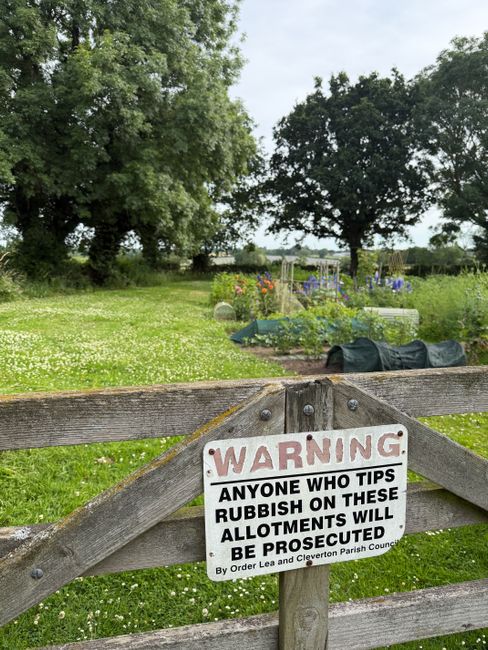
Hillingdon Council garden waste rules Hayes gardeners must follow
If you garden in Hayes, the rules around green waste can feel a bit fiddly at first. One minute you are cutting back a hedge, the next you are wondering whether the clippings go in a council bin, a compost heap, or a skip. That is exactly why understanding the Hillingdon Council garden waste rules Hayes gardeners must follow matters. Get it wrong and you can end up with messy collections, missed lifts, unwanted contamination, or just a pile of cuttings sitting there looking at you on a damp Tuesday morning.
This guide breaks the topic down in plain English. You will find what the rules mean in practice, how they affect everyday gardening jobs in Hayes, what to do with common materials like grass cuttings and hedge trimmings, and where people tend to trip up. It also covers practical steps, compliance points, and the kind of on-the-ground advice that helps keep things tidy without making life harder than it needs to be.
Table of Contents
- Why the garden waste rules matter in Hayes
- How the system works in practice
- Key benefits and practical advantages
- Who needs to follow these rules
- Step-by-step guidance for gardeners
- Expert tips for cleaner, easier handling
- Common mistakes to avoid
- Tools, resources and recommendations
- Law, compliance and best practice
- Options, methods and comparison table
- Case study or real-world example
- Practical checklist
- Conclusion
- Frequently asked questions
Why Hillingdon Council garden waste rules Hayes gardeners must follow Matters
Garden waste is one of those things that looks simple until you are actually dealing with bags of cuttings, thorny clippings, roots, and damp leaves after a long afternoon in the garden. In Hayes, following the council's garden waste rules is not just about avoiding hassle. It helps keep collection systems working properly, reduces contamination, and makes sure your waste is handled in the right way.
From a gardener's point of view, the rules also shape how you plan a job. If you are doing a quick lawn cut, a hedge trim, or a bigger garden clearance, the way you sort and present the waste affects the whole process. A neat load of green material is very different from mixed rubbish with old plant pots, soil, rubble, or bits of timber thrown in. Let's face it, council crews can only deal with what they are set up to collect.
There is also a practical cost angle. Bad sorting can mean delays, extra handling, or the need to arrange private removal. Nobody wants a garden that looks tidy on the surface but is quietly storing up a collection headache. In our experience, the best gardens are the ones where waste management is thought about before the first cut is made.
Expert summary: The easiest way to stay on the right side of Hillingdon's garden waste rules is to separate organic garden material early, keep contamination out, and choose the right disposal route for the size and type of job.
How Hillingdon Council garden waste rules Hayes gardeners must follow Works
Although the exact service details can change over time, the basic idea is consistent: garden waste needs to be presented in a way that fits the council's collection arrangements. That usually means keeping it as clean green waste rather than mixing it with household rubbish or construction debris.
For Hayes gardeners, the most important thing is understanding the difference between organic garden waste and mixed waste. Organic garden waste is the green, biodegradable material created during normal gardening work. Mixed waste is where things get messy: soil, stones, broken tools, treated timber, plastic netting, old compost bags, and whatever else was hiding in the shed. The council system is generally designed for the first type, not the second.
If you are maintaining a small front garden, you may only produce a light amount of clippings and leaves. If you are clearing an overgrown back garden, though, the waste can get bulky fast. That is where planning matters. A tidy pile of branches might be manageable, but a load of wet hedge trimmings and root balls can become surprisingly heavy and awkward. The smell alone on a warm day is enough to make you sort it properly.
For larger jobs, a private service such as garden clearance or routine garden maintenance may be a better fit than trying to force everything into a council collection rhythm. That is not about dodging the rules; it is about using the right process for the size of the job.
What usually counts as garden waste
- Grass cuttings
- Leaves and small twigs
- Hedge trimmings
- Prunings from shrubs and plants
- Weeds and dead plant material
- Small branches, where permitted by the collection system
What usually causes problems
- Soil, turf, stones, rubble, or hardcore
- Plastic plant pots, trays, or ties
- Timber, fencing, or decking offcuts
- Food waste or household rubbish
- Large logs or heavy stumps
- Anything contaminated with chemicals or building materials
A small amount of contamination can spoil an otherwise useful load. That sounds fussy, but it really is the difference between easy collection and a rejected pile that needs sorting again. Nobody enjoys re-opening bags in the rain. Not glamorous work, gardening.
Key Benefits and Practical Advantages
Following the rules properly gives you more than just peace of mind. It saves time, makes garden work feel less chaotic, and keeps the whole maintenance cycle moving smoothly. A lot of homeowners in Hayes do not think about waste until the end of the job, but that is usually when the problems start.
Here are the real-world upsides:
- Cleaner collection: properly sorted waste is easier to remove and less likely to be refused.
- Better site safety: fewer loose bags, sharp branches, and hidden debris lying around.
- Less double handling: you avoid sorting waste twice, which is a time saver on any size of job.
- Better sustainability: clean green waste is more likely to be recycled or processed responsibly.
- Lower stress: you know what goes where, which is oddly comforting once the garden starts filling with clippings.
There is also a quality benefit. A well-run garden tends to stay better looking because waste removal is part of the workflow, not an afterthought. That matters for regular tidying jobs as much as one-off clearances. If you already use services like hedge trimming or lawn mowing, it makes sense to have a sensible waste plan built into the visit.
Who This Is For and When It Makes Sense
This topic matters to a surprisingly wide group of people. It is not just for full-time landscapers. In Hayes, plenty of homeowners, landlords, letting agents, gardeners, and property managers deal with routine green waste every week.
You should pay close attention if you are:
- doing regular garden upkeep at home
- preparing a property for sale or rent
- clearing an overgrown garden after a long gap in maintenance
- working on hedge, tree, or shrub cutting
- managing seasonal leaf fall and pruning
- planning a bigger landscaping project with plant removal
The rules make the most sense when you are deciding between a routine council collection and a private one-off clearance. A small, neat garden may fit the standard system quite well. A heavily overgrown plot, or a job involving mixed materials, usually does not. If you are also reshaping the garden or installing features, services such as landscape gardening, landscaping, or even decking services may create different waste streams that need separate handling.
Truth be told, the quickest way to spot whether the council system is a good fit is to ask one simple question: is this mainly green waste, or is it a mixed site clearance? That question does a lot of heavy lifting.
Step-by-Step Guidance
Here is a practical way to stay organised from the beginning of a garden job through to final disposal. Nothing fancy. Just the stuff that stops jobs going sideways halfway through.
- Identify the waste type first. Separate grass, leaves, prunings, and hedge cuttings from anything non-organic.
- Remove contamination as you go. Pick out plastic ties, labels, broken pots, stones, and rubbish before they disappear into a bag.
- Cut bulky material down to size. Long branches and awkward stems are easier to stack, tie, and move when trimmed sensibly.
- Keep wet waste under control. Rain makes everything heavier and messier. If you can store it dry for a short time, do that.
- Use the right containers. Bags, bins, or bundled material should suit the waste and the collection method.
- Check the collection route. Decide whether the material is suitable for council collection, a private removal service, or on-site composting.
- Clear the site properly. Sweep up fine debris so the garden looks finished, not just "mostly done".
If the job is larger than expected, do not be stubborn about it. That is a classic mistake. Sometimes a simple tidy-up turns into a full clearance once you get behind the border and find three years' worth of clippings, old compost, and a mysteriously broken rake. Happens more often than you'd think.
Expert Tips for Better Results
A few small habits make a huge difference when you are managing garden waste in Hayes. These are the kind of details that save time and reduce stress, especially if you garden regularly.
- Work in stages. Cut, collect, and sort in sections rather than letting the whole garden become one giant heap.
- Keep a waste caddy area. A dedicated corner for green waste stops the garden from feeling chaotic while you work.
- Use ties sparingly. Twine is easier to remove than plastic wrap, and it is less likely to contaminate the waste.
- Match the method to the season. Autumn leaves and winter pruning behave very differently from summer grass cuttings.
- Plan access before collection day. If bags need to be carried through a side gate or alley, make sure there is room.
If you run a busy home or manage several outdoor tasks at once, combining garden upkeep with routine care can help. A service like garden maintenance often works best when waste removal is part of the same visit. It keeps the garden cleaner for longer and avoids that slightly defeated feeling when the grass looks good but the path is still buried under clippings.
Also, do not underestimate the value of a proper final check. Walk the garden once in daylight, then again from the house. If a pile still catches your eye from the kitchen window, it probably needs clearing. The kettle test, if you like.
Common Mistakes to Avoid
Most problems come from a few predictable errors. Avoid these and you are already ahead of the game.
- Mixing green waste with general rubbish. Once that happens, the load is often harder to deal with.
- Including soil or rubble. Even a little can change how the waste is handled.
- Overfilling bags. Heavy bags split, drag, and make collection awkward.
- Leaving waste exposed for too long. Wet, windy weather turns tidy cuttings into a slippery mess.
- Assuming all garden waste is the same. It really is not. Hedge cuttings, root balls, and turf are different beasts.
- Forgetting disposal needs before starting work. That is how good jobs become messy ones.
Another common issue is underestimating how much waste a hedge or shrub cut can generate. A small trim can produce a surprisingly large pile once branches are laid out. If you are carrying out heavier work such as tree lopping and removal, planning waste handling upfront becomes even more important.
Tools, Resources and Recommendations
You do not need a van full of specialist kit to manage garden waste well, but a few basic tools make life much easier. The aim is simple: keep the waste controllable, dry where possible, and easy to move.
| Tool or method | Best for | Why it helps |
|---|---|---|
| Heavy-duty garden bags | Leaves, cuttings, small prunings | Easy to carry and sort, if not overfilled |
| Tarpaulin | Temporary storage and drag-out clearing | Helps move loose waste without scattering it everywhere |
| Secateurs, loppers, pruning saw | Branch reduction and shrub work | Reduces bulky material before disposal |
| Rake and sweeping brush | Final clean-up | Picks up the fine bits that make a garden look unfinished |
| Compost area or heap | Suitable organic waste | Can reduce disposal volumes where appropriate |
For larger or more awkward jobs, professional support is worth considering. A well-organised company will know how to separate waste, load it safely, and keep the site tidy. It also helps if they have clear policies around standards and safe working, which you can often get a feel for through pages like health and safety policy and insurance and safety.
If you care about how green waste is handled after it leaves the garden, the page on recycling and sustainability is also worth a look. Good waste practice should not stop at the gate.
Law, Compliance, Standards, or Best Practice
Garden waste handling sits within a wider UK expectation that waste should be sorted responsibly and presented in the correct stream. For Hayes gardeners, the key takeaway is simple: do not treat garden waste as a catch-all for everything left over after a job. Councils and waste handlers generally expect separation, cleanliness, and safe presentation.
Best practice usually includes the following:
- keeping organic waste separate from household rubbish and building waste
- avoiding contamination with plastics, metals, treated wood, and inert materials
- using safe lifting and bundling methods for branches and bulky cuttings
- storing waste so it does not become a nuisance, slip risk, or pest issue
- using a waste route that matches the actual type and volume of material
For gardeners who work commercially or handle jobs on behalf of clients, compliance is also about professionalism. Good record-keeping, sensible waste segregation, and clear communication with the customer matter. If you are comparing providers, pages such as services overview, pricing and quotes, and about us can help you judge whether the approach looks structured and responsible.
One small but important point: if a job involves hazardous materials, protected trees, or anything outside normal garden waste, treat it separately and seek proper guidance before moving anything. Better to pause for ten minutes than create a bigger mess later.
Options, Methods, or Comparison Table
Choosing the right disposal method depends on the size of the job, the waste type, and how quickly you need the space cleared. Here is a straightforward comparison.
| Method | Best suited to | Advantages | Limitations |
|---|---|---|---|
| Council garden waste collection | Routine green waste in manageable amounts | Convenient and familiar for standard garden upkeep | Not ideal for bulky, mixed, or contaminated material |
| Home composting | Leaves, grass cuttings, and suitable plant matter | Low-cost and sustainable | Needs space, patience, and the right materials |
| Private garden clearance | Large clear-outs, overgrowth, mixed loads | Fast, flexible, and better for awkward jobs | Usually more expensive than routine collection |
| On-site sorting and reuse | Ongoing maintenance and planting projects | Reduces waste and supports better garden planning | Not suitable for every property or every material |
In practice, many Hayes households use a mix of methods. A bit of composting, regular trimming, and occasional professional help can work very well. That blend often gives the least stress and the best-looking garden. Not flashy, but effective.
Case Study or Real-World Example
Imagine a semi-detached garden in Hayes after a busy spring. The lawn has been cut, the laurel hedge has been trimmed, and the rear border has a stack of prunings from shrubs that have been left to go a bit wild. Nothing dramatic, just the kind of job many people put off until the weather turns proper mild and you can hear the neighbour's mower going next door.
The first pass is easy: grass cuttings are gathered separately from hedge trimmings. The next issue appears when the gardener notices bits of old twine, a cracked plastic plant pot, and a clump of soil tangled in the roots. That load is no longer just green waste. It needs sorting before disposal.
By separating the material, reducing the branch sizes, and keeping the waste clean, the job becomes much easier to manage. The client gets a tidy garden, the waste is easier to remove, and there is no last-minute panic about what can or cannot be collected. If the garden had been more overgrown, a service like garden clearance would probably have been the sensible next step.
The little lesson here is simple: waste handling is not a side issue. It is part of the job. Treat it that way and everything else tends to flow better.
Practical Checklist
Use this checklist before you finish any garden job in Hayes:
- Have I separated green waste from general rubbish?
- Have I removed plastic, metal, stones, and other contamination?
- Are branches and prunings cut to a sensible size?
- Are bags, bundles, or piles manageable and safe to lift?
- Have I checked whether the waste is suitable for council collection?
- Do I need a private clearance instead because the load is too large or mixed?
- Have I cleared fine debris from paths, patios, and borders?
- Is the waste stored somewhere it will not block access or get soaked through?
- Have I thought about composting any suitable material?
- Do I have a plan for future maintenance so the waste does not build up again?
If you can tick most of those boxes, you are already in good shape. And if you cannot, that is fine too. Better to pause and sort it properly than rush and regret it later.
Get a free quote today and see how much you can save.
Conclusion
For Hayes gardeners, Hillingdon Council garden waste rules are less about red tape and more about doing things properly. Keep green waste separate, avoid contamination, choose the right disposal route, and think ahead before the pile gets out of hand. Those simple habits make garden work cleaner, quicker, and a lot less stressful.
Whether you are trimming a hedge, mowing a lawn, or tackling a full clearance, waste management should sit right alongside the actual gardening. That is how you keep a property tidy without creating a second job for yourself. And honestly, that second job is usually the one nobody wanted in the first place.
Take it step by step, keep it sensible, and the garden will look better for it. Quietly, steadily, the right way.
Frequently Asked Questions
What garden waste can Hayes gardeners usually put out for collection?
In general, clean organic garden material such as grass cuttings, leaves, hedge trimmings, and small prunings is the type of waste people usually deal with through garden waste services. The key is keeping it free from contamination.
Can I mix soil with garden waste?
Usually not. Soil changes the waste stream and can make collection or processing more difficult. If you have roots or turf with soil attached, it is best to check how that material should be handled before you bag it up.
Are hedge trimmings treated the same as grass cuttings?
Not always. Both are green waste, but hedge trimmings can be bulkier, woodier, and harder to compact. A big hedge cut often needs more careful bundling or a different disposal approach than a routine mow.
What happens if my garden waste is contaminated?
Contaminated waste may be rejected, delayed, or harder to collect. Even a few plastic ties, bits of rubble, or broken pots can turn a tidy load into something that needs re-sorting. Annoying, but avoidable.
Should I compost garden waste myself?
If you have the space and the right materials, composting can be a very sensible option for suitable green waste. It works well for leaves, soft clippings, and plant material, though woody or diseased material may need different handling.
When is a private garden clearance better than council collection?
A private clearance makes more sense when the waste is bulky, mixed, overgrown, or time-sensitive. If you are doing a big seasonal clear-out or clearing an unmanaged garden, it is often the smoother option.
Do gardeners in Hayes need to separate waste during the job?
Yes, ideally. Sorting as you go saves time at the end and reduces the chance of contamination. It also makes the whole garden look tidier while the work is still in progress.
What should I do with branches and thicker prunings?
Cut them down to manageable sizes where appropriate and keep them separate from soft waste. Thick branches are often better handled through a dedicated clearance service, especially if they come from larger pruning jobs.
How do I know if my garden job is too big for standard waste handling?
If the pile is getting awkward to store, transport, or separate, that is usually a sign. Very heavy bags, mixed materials, and repeated trips back and forth are all clues that a different disposal method would be easier.
Can routine maintenance help reduce garden waste problems?
Absolutely. Regular upkeep means smaller cuttings, fewer overgrown sections, and much less chance of facing a huge, messy clearance later. A steady maintenance plan usually keeps waste under control without much drama.
What is the most common mistake Hayes gardeners make?
Probably mixing different waste types together. Once green waste, household rubbish, and leftover site debris all end up in one pile, it becomes harder to deal with and usually takes longer to clear properly.
Who can help if I need waste removed as part of a bigger garden job?
If you need help with trimming, clearing, or a full outdoor tidy-up, a local service that handles garden work and removal together can make life much easier. It keeps the job joined up rather than split across several tasks.